
How to Protect Seniors from Falls: A Comprehensive Guide
Falls are a leading cause of injury among older adults, often leading to serious health consequences, a loss of independence, and a decline in quality of life. The good news is that most falls are preventable. By taking proactive steps and making simple adjustments, we can significantly reduce the risk and help our seniors live safely and confidently in their homes.
At Divine Care Helpers, we understand the importance of fall prevention. Here’s a comprehensive guide to protecting your loved ones from falls.
1. Assess and Address Health Factors
Many falls are linked to underlying health conditions. A proactive approach starts with understanding these factors:
- Regular Doctor Visits: Encourage your senior loved one to have regular check-ups. Discuss any recent falls, near-falls, or changes in balance, gait, or strength with their doctor.
- Medication Review: Some medications, especially those for sleep, anxiety, depression, or blood pressure, can cause dizziness, drowsiness, or affect balance. Ask their doctor or pharmacist to review all medications (prescription and over-the-counter) for potential side effects and interactions.
- Vision and Hearing Checks: Poor vision can make it hard to spot tripping hazards. Impaired hearing can affect balance and awareness of surroundings. Ensure regular eye exams and hearing tests, and update eyeglasses or hearing aids as needed.
- Foot Care: Foot pain, corns, bunions, or uncomfortable shoes can affect balance and gait. Ensure they wear supportive, non-slip footwear and receive regular foot care.
- Hydration and Nutrition: Dehydration and malnutrition can lead to weakness and dizziness. Encourage a balanced diet and adequate fluid intake.
2.Make the Home Environment Safer
The home itself can hide numerous fall hazards. A thorough walkthrough can reveal areas that need attention:
- Clear Pathways: Remove clutter, loose rugs, electrical cords, and anything else that could cause a trip. Ensure furniture is arranged to allow clear walking paths.
- Improve Lighting: Ensure all areas, especially stairwells, hallways, and bathrooms, are well-lit. Use nightlights in bedrooms, hallways, and bathrooms. Consider motion-sensor lights.
- Secure Rugs & Carpets: Remove throw rugs, or ensure they are secured with non-slip backing or tape. Repair loose carpeting or uneven flooring immediately.
- Install Grab Bars: Install grab bars in key areas like the bathroom (next to the toilet and inside/outside the shower/tub).
- Add Handrails: Ensure sturdy handrails are installed on both sides of staircases.
- Non-Slip Surfaces: Use non-slip mats or strips in the shower or bathtub. Consider non-slip flooring options in bathrooms and kitchens.
- Easy Access to Essentials: Keep frequently used items within easy reach to avoid reaching or bending excessively.
3. Encourage Strength and Balance Exercises
Physical activity is a powerful tool for fall prevention. Even gentle exercises can make a big difference:
- Balance Training: Activities like Tai Chi, yoga, or specific balance exercises can significantly improve stability.
- Strength Training: Exercises that strengthen leg and core muscles can improve overall stability and make it easier to recover from a stumble.
- Walking: Regular walking helps maintain leg strength, bone density, and circulation.
- Consult a Professional: A physical therapist can design a personalized exercise program tailored to your loved one’s abilities and needs.
4. Smart Habits and Assistive Devices
Small changes in daily habits and the use of appropriate aids can significantly enhance safety:
- Take Your Time: Encourage seniors to get up slowly from sitting or lying down to avoid dizziness.
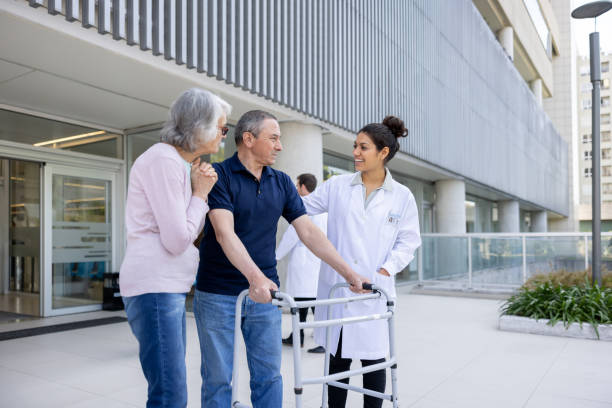
- Use Assistive Devices: If recommended by a doctor or physical therapist, ensure they use a cane, walker, or other assistive devices correctly and consistently.
- Wear Proper Footwear: Avoid walking in socks, slippers without good grip, or high heels. Opt for supportive shoes with non-slip soles.
- Stay Hydrated: Dehydration can lead to dizziness and weakness, increasing fall risk.
- Carry a Phone: Encourage them to carry a phone or personal alert system (like a medical alert pendant) so they can call for help if a fall occurs.
5. Consider Professional In-Home Support
Sometimes, consistent support from trained professionals can be the most effective fall prevention strategy.
- Personal Care Assistance: Caregivers can provide safe assistance with bathing, dressing, and toileting, areas where falls frequently occur.
- Mobility Support: Professional assistance with transfers and walking can greatly reduce risk.
- Light Housekeeping: Keeping the home tidy and clear of hazards can be challenging for seniors, and a caregiver can ensure pathways remain safe.
- Companionship & Supervision: A caring presence ensures someone is there to respond quickly if a fall happens, or to gently remind about safety measures.
At Divine Care Helpers, our trained caregivers are experienced in creating safe environments and providing assistance that empowers seniors while significantly reducing fall risks.
Don’t wait for a fall to happen. Take proactive steps today to protect your loved ones and ensure they enjoy a safe, independent, and fulfilling life in the comfort of their own home.
Worried about fall risks for your loved one? Contact Divine Care Helpers today for a free consultation to discuss how our services can provide peace of mind and enhance their safety.